Mughal Kashmir
1586 to 1752
Kashmir became the Mughal emperors' summer retreat. Jahangir, Nur Jahan, Shah Jahan and Dara Shikoh laid out terraced gardens fed by mountain springs, including Shalimar, Nishat and Chashme Shahi, and built mosques and pavilions around Dal Lake. Kashmir was governed as a province of the empire from distant capitals.
8 events · 13 exhibits
Events
1586
Akbar annexes Kashmir
Mughal forces sent by Akbar entered the Valley. Yusuf Shah Chak submitted and was taken into exile, while his son Yaqub Shah held out until 1589. Kashmir became a province of the Mughal Empire.
In the museumYusuf Shah Chak
1589
Akbar's first visit
Akbar travelled to Kashmir in 1589. In the 1590s he had a walled town built around Hari Parbat, known as Nagar Nagor.
In the museumHari Parbat
1619
Shalimar Bagh is laid out
Emperor Jahangir laid out Shalimar Bagh on the north-eastern shore of Dal Lake, a terraced garden fed by a channel of mountain water. Shah Jahan later extended it.
In the museumShalimar BaghJahangir
c. 1620
Stone tank at Verinag
Jahangir enclosed the spring at Verinag, traditionally the source of the Jhelum, in an octagonal stone tank with arched niches. Shah Jahan added the garden around it.
In the museumVerinag
1632
Chashme Shahi is built
The governor Ali Mardan Khan built Chashme Shahi, the royal spring, for Emperor Shah Jahan. It is the smallest of Srinagar's Mughal gardens.
In the museumChashme Shahi
c. 1633
Nishat Bagh is built
Asif Khan, Nur Jahan's brother, laid out Nishat Bagh, the garden of delight, in twelve terraces rising from Dal Lake towards the Zabarwan mountains.
In the museumNishat Bagh
1650s
Dara Shikoh builds Pari Mahal
Prince Dara Shikoh built Pari Mahal, a terraced building above Chashme Shahi, for his Sufi teacher Mulla Shah Badakhshi. It is often described as having served as an observatory and a place of study.
In the museumPari MahalDara Shikoh
c. 1700
The relic comes to Hazratbal
A relic venerated as a hair of the Prophet Muhammad was brought to Kashmir around 1700 and later housed at Hazratbal, on the western shore of Dal Lake, which became the Valley's most important shrine.
In the museumHazratbal Shrine
In this wing
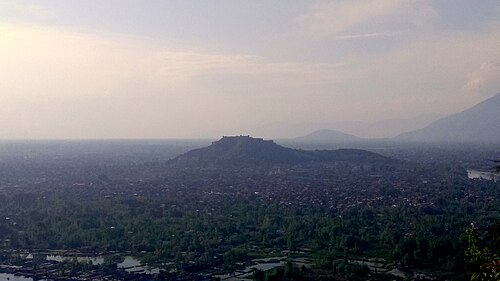
Hari Parbat
Walls 1590s, fort 1808
The hill where Srinagar's faiths and empires meet.
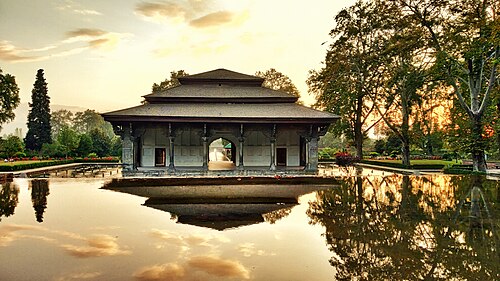
Shalimar Bagh
1619
Jahangir's garden of terraces, fountains and water channels.
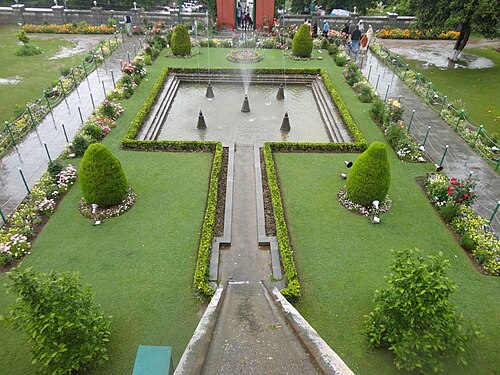
Nishat Bagh
c. 1633
The largest Mughal garden in Kashmir.
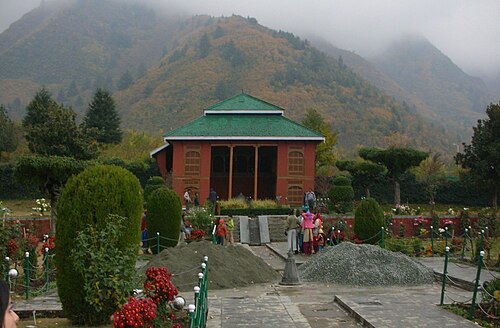
Chashme Shahi
1632
A small garden built around a royal spring.
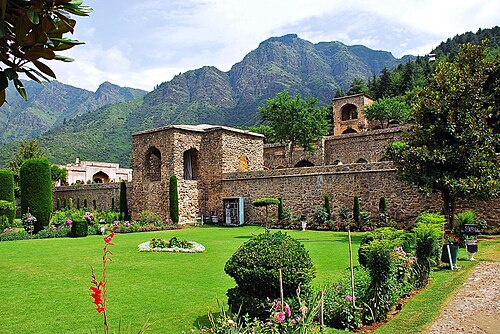
Pari Mahal
1650s
Dara Shikoh's terraced retreat, the palace of fairies.
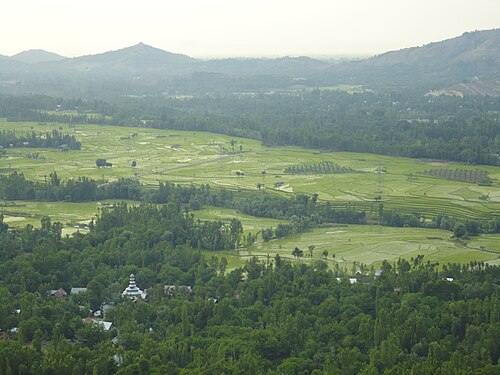
Verinag
c. 1620
The spring traditionally counted as the source of the Jhelum.
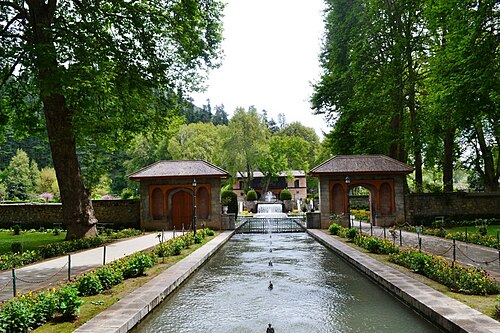
Achabal Gardens
17th century
A spring-fed Mughal garden with rushing cascades.
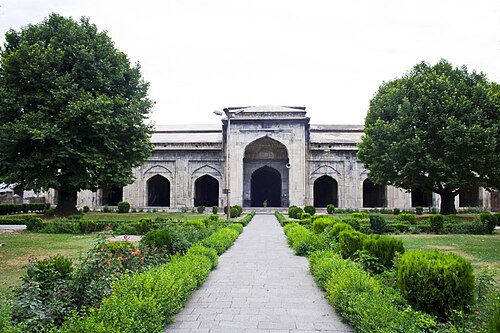
Pathar Masjid
1623
Nur Jahan's stone mosque on the Jhelum.
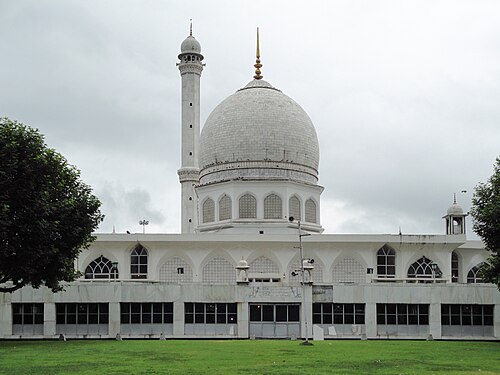
Hazratbal Shrine
Relic since c. 1700, present building 1979
The Valley's holiest shrine, in white marble on Dal Lake.
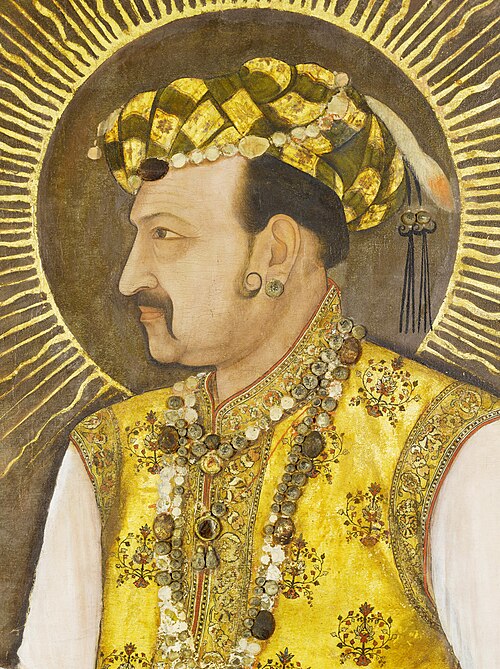
Jahangir
Emperor 1605 to 1627
The emperor who fell in love with Kashmir.
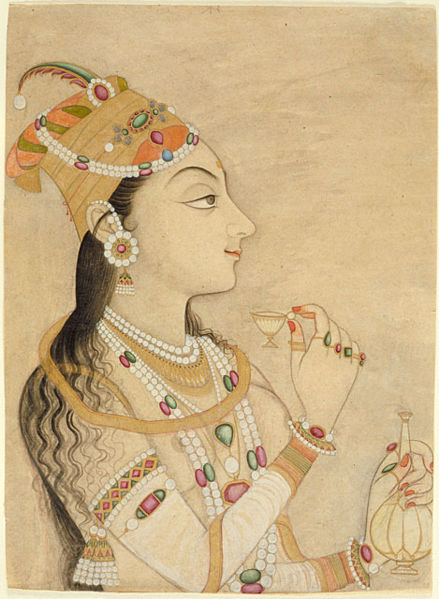
Nur Jahan
1577 to 1645
Empress, builder and one of the most powerful women of her age.
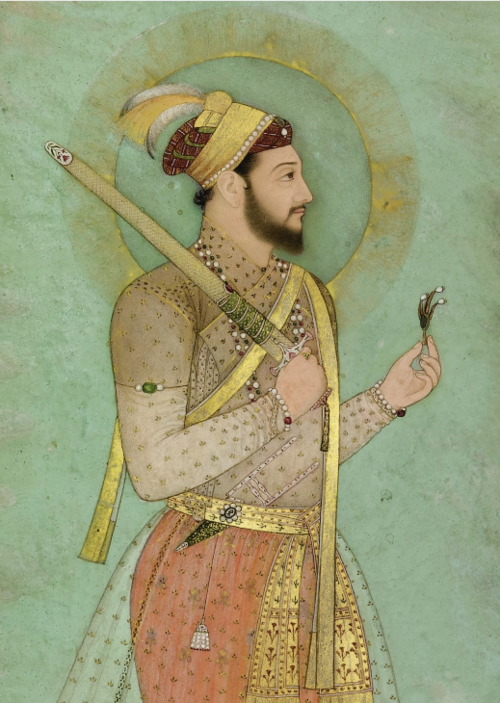
Dara Shikoh
1615 to 1659
The scholar prince who built Pari Mahal.
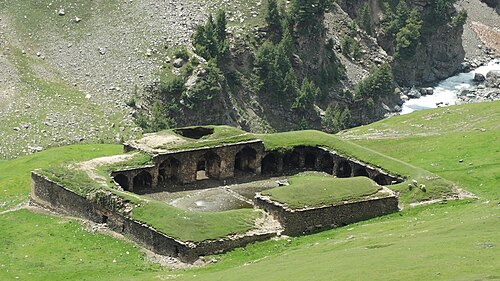
The Mughal Road
Used from the 16th century
The mountain route the emperors took into the Valley.
Further reading for this period
Books that cover this period. They are places to read further, not sources for any single sentence on this page.
- The Jahangirnama: Memoirs of Jahangir, Emperor of IndiaWheeler M. Thackston (translator), 1999
- Gardens of the Great MughalsC. M. Villiers-Stuart, 1913